


Creating Accessible Spaces with High-Quality Disabled Toilet Cubicles

Accessibility is no longer an optional feature in modern buildings. It is a vital part of creating environments that are welcoming, safe, and practical for everyone. Whether in schools, offices, shopping centres, healthcare facilities, or leisure venues, accessible washrooms play a major role in ensuring comfort and dignity for all users.
A well-designed washroom reflects a commitment to inclusivity. It enables people with mobility challenges, disabilities, and temporary physical limitations to use facilities independently and confidently. This is why investing in high-quality disabled toilet cubicle solutions is essential for organisations that want to meet accessibility standards while delivering a positive user experience.
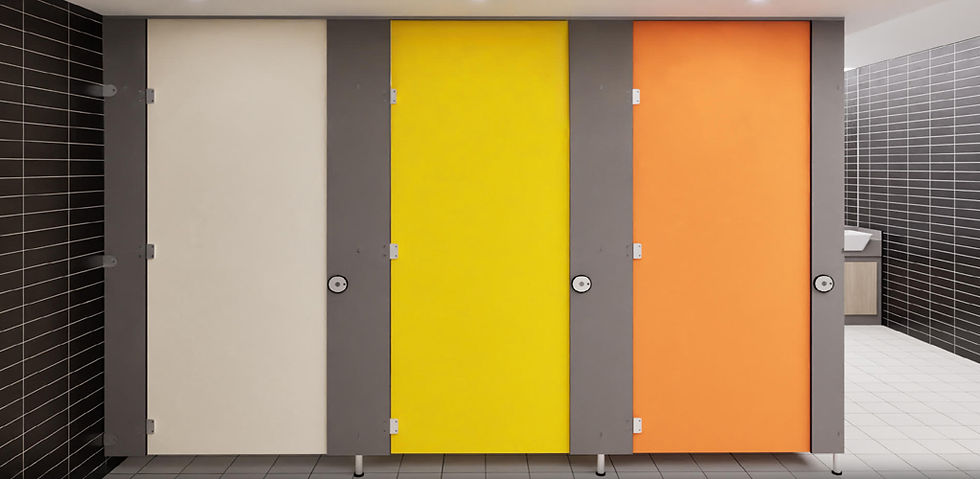
Modern washroom design focuses not only on compliance but also on creating spaces that are durable, hygienic, attractive, and easy to maintain. High-quality cubicle systems help achieve all these objectives while supporting users with different accessibility needs.
Understanding the Role of a Disabled Toilet Cubicle
A disabled toilet cubicle is specifically designed to provide additional space, support, and accessibility features for users with disabilities. These cubicles are larger than standard toilet compartments and are equipped with features such as grab rails, emergency assistance alarms, outward-opening doors, and sufficient manoeuvring space for wheelchair users.
The design of these cubicles aims to promote independence and safety. Users must be able to enter, navigate, and exit the cubicle without unnecessary difficulty. Every element, from door placement to support rails, contributes to a more comfortable and practical experience.
In commercial and public settings, accessible toilet facilities demonstrate a commitment to equality and inclusion. They help businesses and organisations provide a welcoming environment while meeting legal and building requirements.
The Growing Demand for Inclusive Washroom Facilities
As awareness of accessibility continues to increase, architects, facility managers, and business owners are placing greater emphasis on inclusive washroom solutions. Modern buildings are expected to cater to people of all ages and abilities.
High-quality toilet cubicles are an important part of this approach. They help create organised, efficient washroom spaces that balance functionality with visual appeal. When accessibility is considered from the start of a project, the result is a washroom environment that serves everyone more effectively.
The demand for accessible washrooms is particularly strong in public buildings, educational institutions, transport hubs, hospitality venues, and healthcare facilities. These environments require durable and reliable solutions capable of handling frequent use while maintaining excellent standards of safety and hygiene.
Why Ambulant Toilet Cubicles Matter
While wheelchair-accessible facilities are essential, there are many users who require support but do not use a wheelchair. This is where an ambulant toilet cubicle becomes highly valuable.
An ambulant toilet cubicle is designed for people with limited mobility who can walk independently but benefit from additional support features. These cubicles often include strategically positioned grab rails and a slightly wider design to make movement easier and safer.
Older adults, individuals recovering from injuries, and people with certain health conditions often find these facilities more comfortable than standard cubicles. By incorporating both wheelchair-accessible facilities and ambulant toilet cubicle options, organisations can provide a more comprehensive accessibility solution.
This approach ensures that washroom facilities meet the needs of a wider range of users while supporting inclusivity and independence.
The Importance of Quality Toilet Cubicle Partitions
The performance of any washroom facility depends heavily on the quality of its infrastructure. A durable toilet cubicle partition plays a key role in ensuring privacy, stability, and longevity.
High-quality partition systems are designed to withstand constant daily use while maintaining their appearance and structural integrity. They resist moisture, wear, and impact, making them suitable for demanding commercial environments.
A professionally designed toilet cubicle partition also contributes to the overall aesthetic of the washroom. Modern finishes, clean lines, and durable materials help create a welcoming environment that reflects positively on the building and its management.
When selecting partition systems, decision-makers should prioritise quality materials and expert craftsmanship to ensure long-term value and performance.
Key Features of High-Quality Toilet Cubicles
Premium toilet cubicles offer a range of benefits that extend beyond simple functionality. They are designed to support hygiene, privacy, durability, and ease of maintenance.
One important feature is material quality. Moisture-resistant panels help prevent damage in high-humidity environments, while durable hardware ensures reliable operation over many years. Smooth surfaces are easier to clean, helping maintain high hygiene standards.
Flexibility is another significant advantage. Modern cubicle systems can be customised to suit different layouts, design preferences, and accessibility requirements. This enables architects and facility managers to create washrooms that align with both practical needs and aesthetic goals.
Quality construction also reduces maintenance costs by minimising wear and tear. This makes premium cubicle systems a cost-effective investment for commercial and public buildings.
Designing Washrooms for Safety and Independence
Safety should always be a central consideration in accessible washroom design. High-quality disabled toilet cubicle installations help reduce risks while increasing user confidence.
Adequate space allows users to move freely without feeling restricted. Grab rails provide essential support when sitting down, standing up, or transferring from a wheelchair. Emergency alarm systems offer reassurance by enabling users to call for assistance if required.
Good lighting, non-slip flooring, and thoughtful layouts further enhance safety. Together, these elements create a washroom environment that promotes independence while reducing the likelihood of accidents.
By prioritising accessibility and safety, organisations demonstrate genuine consideration for the well-being of all visitors and employees.
The Business Benefits of Accessible Washrooms
Investing in accessibility delivers benefits that extend beyond compliance. Businesses that provide inclusive facilities often enjoy stronger reputations and improved customer satisfaction.
Accessible washrooms make premises more welcoming to a broader audience, including older adults, individuals with disabilities, and families with varying accessibility needs. This can improve visitor experiences and encourage repeat visits.
High-quality toilet cubicles also contribute to a professional image. Clean, attractive, and well-maintained facilities reflect positively on the organisation and help create a favourable impression.
In competitive sectors such as hospitality, retail, and leisure, these details can significantly influence customer perceptions and overall satisfaction.
Sustainability and Long-Term Value
Sustainability has become a major consideration in construction and refurbishment projects. High-quality cubicle systems support environmental goals by offering long service lives and reducing the need for frequent replacement.
Durable materials minimise waste and lower maintenance requirements. Many manufacturers also offer environmentally responsible materials and production methods that contribute to sustainable building practices.
Choosing reliable toilet cubicle partition systems represents a smart long-term investment. Reduced maintenance, enhanced durability, and improved user satisfaction all contribute to greater value over time.
Organisations that prioritise sustainable washroom solutions can improve operational efficiency while supporting broader environmental objectives.
Choosing the Right Washroom Partner
Selecting the right supplier is essential when planning an accessible washroom project. Experience, product quality, and technical expertise all play important roles in achieving successful outcomes.
A trusted provider understands the requirements of accessibility standards and can recommend suitable solutions for different environments. From ambulant toilet cubicle installations to premium disabled toilet cubicle systems, expert guidance ensures every aspect of the project is carefully considered.
One recognised name in the industry is Washroom Cubicles Direct Ltd, known for delivering high-quality washroom solutions that combine durability, functionality, and modern design. Working with experienced specialists helps ensure that projects meet both practical requirements and aesthetic expectations.
Conclusion
Creating accessible spaces requires careful planning, quality materials, and a commitment to inclusivity. High-quality disabled toilet cubicle solutions provide essential support for users with disabilities while promoting independence, safety, and dignity.
Alongside accessible facilities, incorporating an ambulant toilet cubicle, durable toilet cubicles, and reliable toilet cubicle partition systems helps create washrooms that serve a diverse range of users. These features contribute to better user experiences, stronger organisational reputations, and long-term value.
By partnering with experienced providers such as Washroom Cubicles Direct Ltd, organisations can create modern, attractive, and fully accessible washroom environments that meet the needs of today's users while supporting future requirements.


Comments