


How to Evaluate Toilet Cubicle Suppliers UK Beyond Price and Product Range

Price matters. A good range matters too. But neither one tells you how a project will really go. A low quote can hide poor build quality. A wide catalogue can hide slow delivery. Many buyers learn this the hard way. The doors sag after a year. The fitters turn up late. The panels arrive in the wrong colour. Then the washroom stays shut while everyone argues. You can avoid this. You just need to ask better questions before you sign. This guide shows you what to check, why it matters, and how to spot a partner you can trust for years.
Look Closely at Materials and Build Quality
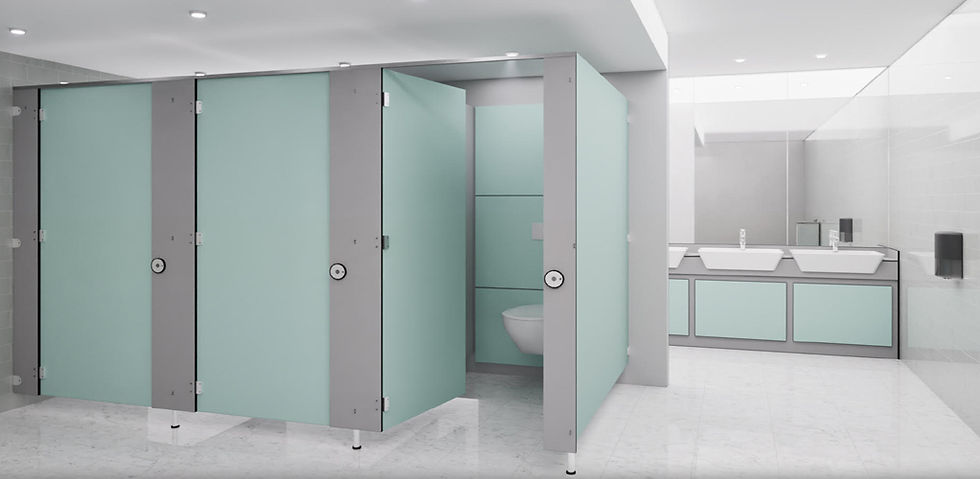
Start with what the product is made from. Panels take a lot of abuse. People lean on them, kick them and scratch them. Good materials shrug this off. Poor ones chip, swell or peel. Ask the supplier for core types and thickness. Ask how the panels cope with damp air and daily cleaning. Check the hinges, locks and brackets as well. These small parts fail first. Stainless steel and quality nylon last longer than cheap plastic. When you compare toilet cubicles, ask to see a sample. Hold it. Press it. Look at the edges. A supplier who is proud of the product will happily hand one over.
Check Compliance and Safety Standards
A washroom must be safe and open to all. In the UK, that means following the rules on accessibility. Doors must be wide enough. Layouts must give space for wheelchair users. Locks must be easy to use. Fire safety matters too. Some materials burn faster than others. Ask for test certificates and clear paperwork. Do not accept vague answers. A reliable supplier knows the standards and can explain them in plain words. This is also where specialist firms stand out. When reviewing toilet cubicle suppliers UK, ask each one how they keep up with rule changes. If they cannot answer, move on. A mistake here can mean costly rework later.

Judge the Quality of Advice and Design Support
Good suppliers do more than sell panels. They help you plan. Think about your building. A school needs tough, simple units. A hotel needs a softer look. A gym needs strong, damp-proof walls. A good supplier asks about all of this before offering a quote. They study your floor plan. They suggest layouts that save space and cut waste. They explain trade-offs in plain language. That kind of advice saves you money in the long run. A weak supplier just sends a price list. Watch how quickly they reply and how well they listen. Early contact is a fair preview of what comes later.
Ask About Lead Times and Delivery
Time is money on any build. A late delivery can hold up the whole site. So ask direct questions. How long does production take? Who handles transport? What happens if a panel arrives damaged? Do they keep stock of common items? Ask for a written timeline. Then ask how often they meet it. Honest suppliers will tell you the truth, even when it is not perfect. Be wary of those who promise everything. Also check how they pack goods. Poor packaging leads to scratched panels and missing parts. Good packing shows care. It also shows that the firm has done this many times before.
Review Installation Skills
A great product can still look bad if the fitting is poor. Gaps appear. Doors rub. Panels sit out of line. So ask who installs the units. Is it the supplier’s own team, or a hired crew? Trained fitters make a big difference. They measure twice. They work neatly. They also leave the site clean. Ask for photos of finished jobs. Better still, ask to speak to a past client. Many buyers overlook this step. Yet it often matters more than the product itself. Firms offering full toilet cubicle systems UK wide should be able to show a clear, repeatable fitting process from survey to handover.
Think About Warranty and Aftercare
Things break. That is normal. What matters is what happens next. Read the warranty carefully. How long does it last? What does it cover? Does it include parts and labour? Some warranties sound great but hide long lists of exclusions. Ask how to report a fault and how fast they respond. Check whether spare parts stay in stock for years. A hinge that is out of production can turn a small fix into a big bill. Good aftercare also includes simple care advice. The right cleaning products can double the life of a panel. A supplier who shares this is thinking about your costs, not just their sale.
Explore Reputation and References
Words are cheap. Proof is better. Ask for case studies and client names. Look at the type of work the firm has done. Have they handled sites like yours? Read reviews, but read them with care. Look for patterns rather than single comments. Do people praise the same things? Do they complain about the same problems? Years in business also tell a story. A firm that has lasted is usually doing something right. For example, Washroom Cubicles Direct Ltd is the sort of specialist you might shortlist, as it focuses on one thing and can show the work behind it. Whichever firms you compare, test their claims against real examples.
Consider Sustainability and Long-Term Value
Many organisations now have green goals. Your washroom can help. Ask where the materials come from. Ask if panels contain recycled content. Ask whether old units can be recycled when the time comes. Durable products are greener too. A panel that lasts twenty years creates less waste than one replaced every seven. This also ties back to cost. The cheapest option rarely stays cheapest. Add up repairs, downtime and early replacement. Then compare. Long-term value often points to the supplier with the stronger build, better service and clearer paperwork. A fair price still matters, but it should be one part of the picture.
Test Communication and Transparency
How a supplier talks to you now is how they will talk later. Is the quote clear? Does it list every item and cost? Or does it hide extras in small print? Do they answer emails on time? Do they admit what they do not know? Open suppliers explain limits and risks. They do not dodge hard questions. Pay attention to who your contact will be. Will you deal with one person, or be passed around? A named project manager makes life easier. Small signs like these add up. They show whether the firm respects your time and your budget. Trust grows from simple, honest habits.
Conclusion
Choosing a supplier is a big decision. Price and range are only the start. Look at materials and build. Check the rules and safety papers. Judge the advice you receive. Test delivery, fitting and aftercare. Ask for proof, not promises. Think about the full life of the product, not just the day it arrives. A strong partner will pass most of these checks with ease. A weak one will struggle with several. Take your time and ask hard questions. Your washrooms will serve hundreds or thousands of people. They deserve to be done well. Get this choice right, and you will save money, time and stress for many years.

Comments